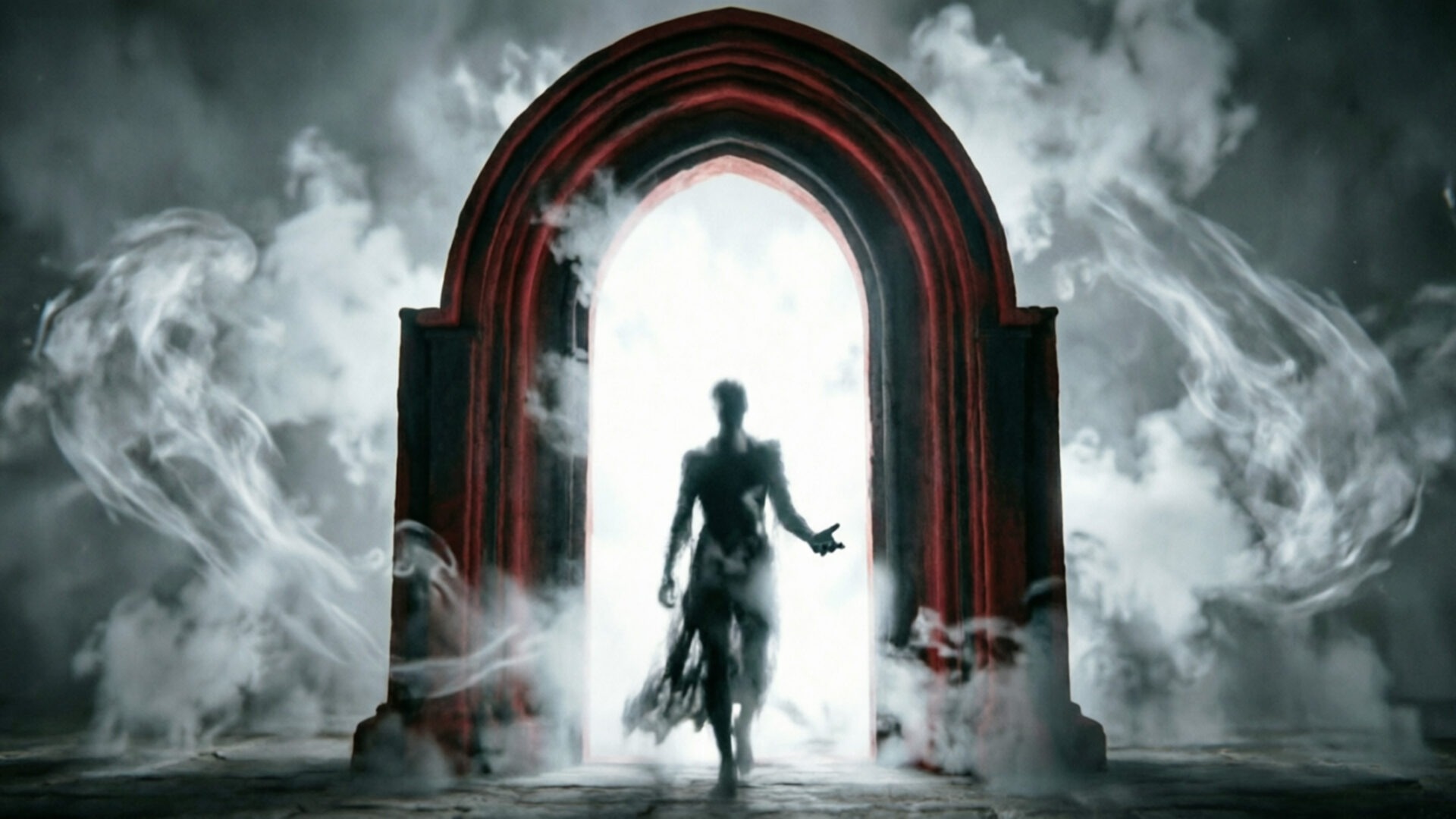
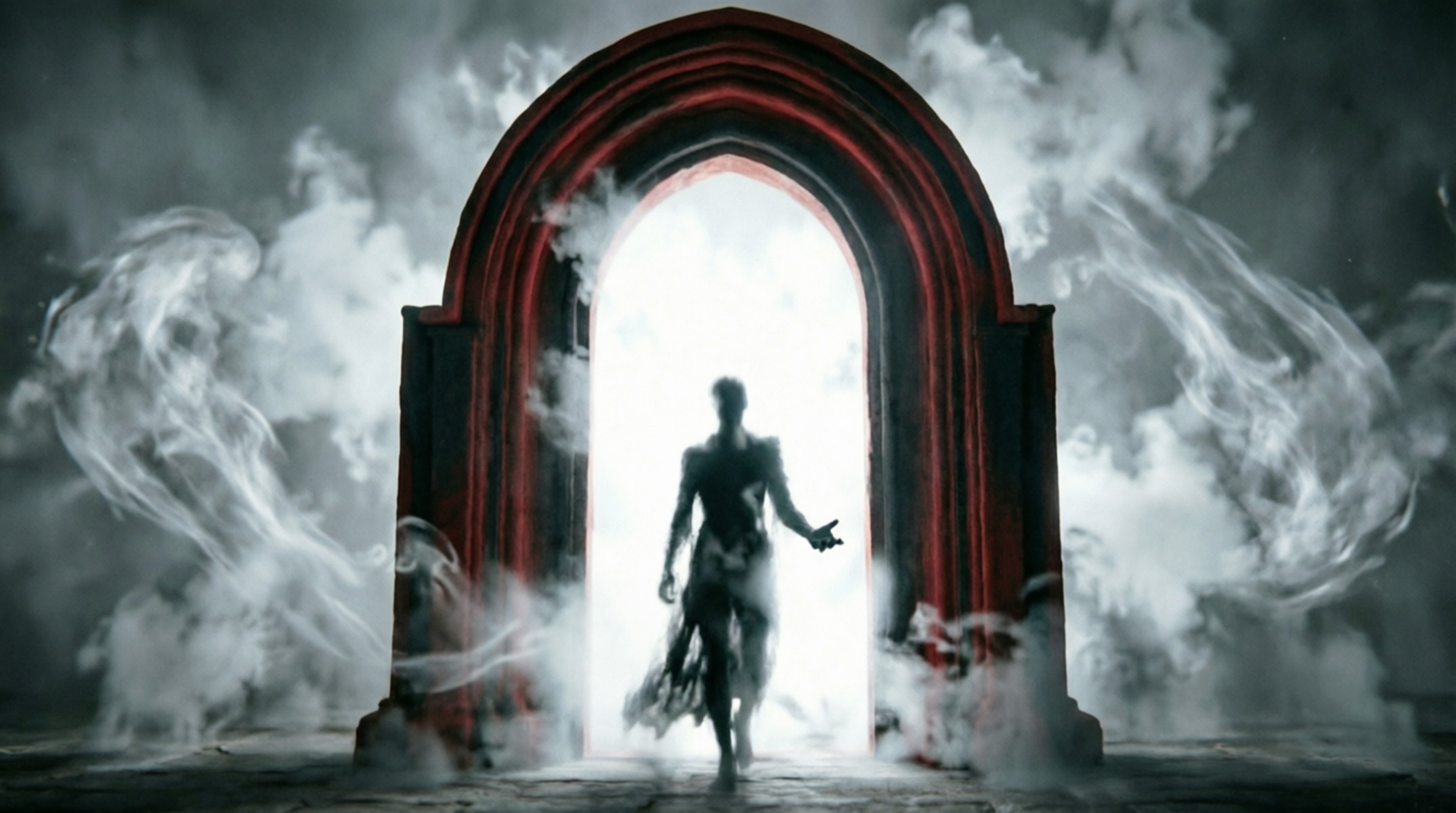
Sanctuary of Dawning Light
Consider the architecture of your thoughts. When you vividly imagine a familiar room, your brain fires in patterns nearly identical to those used when you’re physically present. What if this neurological capacity could be harnessed not just for memory, but for psychological alignment? This is the foundational premise behind astral temple construction. Far from being a mere exercise in fantasy, building an inner sanctuary is a deliberate practice of shaping consciousness. In a landscape of constant external distraction, turning the gaze inward offers a stable threshold of perception. The mind, when intentionally directed, becomes a sacred sanctuary. By understanding how to design and inhabit this inner space, practitioner’s cultivate a reliable environment for meditation, self-inquiry, and the integration of complex ideas.
The Architecture of Awareness in Astral Temple Construction
An astral temple is a structured, non-physical space created entirely within the mind. Unlike physical buildings made of wood and stone, this sanctuary is built from sustained attention and symbolic resonance. It’s not a place one travels to, but a state of focused awareness one learns to inhabit.
Drawing from esoteric frameworks, such as those explored in Radiant Obscurity, symbols and forms are not independent entities, but “provisional formations” that help organize perception. An inner sanctuary is a functional overlay, a deliberate structuring of the mind’s natural capacity to generate imagery. Think of it as building a mental workspace. Just as a physical desk is cleared and organized to facilitate focused work, the inner sanctuary is designed to hold specific intentions without the interference of daily mental clutter. The goal isn’t to create a refined lens through which reality can be observed with greater clarity.
Utilizing Symbols as Access Points
How does one actually build this space? When learning astral temple construction, the process relies on the strategic use of visualization, and symbols. In this context, a symbol isn’t a magical talisman that conjures external forces. Rather, it acts as a resonance key, and anchor.
As the dialogues clarify, a symbol doesn’t create the reality it points to; it aligns attention with a specific current already present within the field of awareness. When designing an inner sanctuary, practitioners might choose specific colors, architectural styles, or objects that hold deep personal meaning. For example, a practitioner might visualize a library with endless shelves to represent the pursuit of knowledge, or a quiet, sunlit garden to symbolize peace.
These elements are not arbitrary decorations. They’re structured access points that allow the mind to interface with specific states of being. By invoking these formations, individuals can navigate their internal landscape with precision, calling upon qualities like calm, insight, or resilience exactly when they are needed.
The Discipline of Alignment and Maintenance
Building the space is only the first step; maintaining it requires consistency. This is where the practice transitions from casual imagination to disciplined alignment. Ritual and repetition are not about forcing the mind into submission. Instead, they provide a structured pathway through which inherent mental dynamism is guided into stable formations.
When breath, gesture, or focused visualization are repeated with consistency, a particular pattern consolidates. To approach astral temple construction effectively, start small. Dedicate five minutes daily to visualizing a single room. Notice the texture of the walls, the quality of the light, and the overall atmosphere. If the mind wanders, gently return to the visualization without judgment. Over time, this repeated attention grants the space stability, transforming a fleeting mental image into a reliable inner refuge. The sanctuary becomes a default setting for the mind, a place one can retreat to instantly when external pressures mount.
Avoiding Rigidity Through Conscious Unbinding
A common pitfall in inner work is becoming overly attached to the details of the visualization, turning a helpful tool into a rigid constraint. True practice requires the flexibility to loosen these structures when they no longer serve insight.
Conscious engagement with fixed formations ensures that the sanctuary remains a tool for refinement, not a new source of mental confinement. If the visualized temple begins to feel stale, restrictive, or overly complex, it’s perfectly acceptable to alter its design or allow it to dissolve entirely. The goal is to recognize the open, fluid nature of awareness itself. The structure supports the practice, but it’s never the practice itself. By remaining adaptable, the inner sanctuary continues to serve as a dynamic space for growth rather than a static monument to past efforts.
Cultivating the Inner Sanctuary
Astral temple construction is ultimately about recognizing that the mind isn’t a chaotic void, but a malleable field capable of profound organization. By using symbols as access points and maintaining a disciplined, flexible approach to visualization, practitioners can create a stable inner environment. This sanctuary of dawning light offers a consistent threshold where the noise of the external world fades, allowing for genuine self-recognition.
Consider dedicating ten minutes this week to designing your own inner sanctuary. Choose one specific detail, a doorway, a window, or a single object, and hold it in your mind’s eye. Notice how your breath and focus shift when you give your attention a dedicated home.
What elements would you include in your own sanctuary? Share your chosen strategy, the symbols that resonate with you, or the results of this inner experiment in the comments below.